My Linux Stuff - Complete Blog For Linux Articles

My Linux Stuff - Complete Blog For Linux Articles

A Website For Complete Linux OS,Step by Step linux Installtion, Linux Tips and Tricks and Linux Stuff and so on... Connect and sharing here....

TOP 50 ENGINEERING COLLEGES IN INDIA 2014

TOP 50 ENGINEERING COLLEGES IN INDIA 2014

This below survey was taken many form many colleges in India. These Top 50 Engineering Colleges in India have Good Infrastructure, Good Environment, Educations , Staff, Placement , Research Activities and other Facilities are good.

Top 10 Government Engineering Colleges in India

Top 10 Government Engineering Colleges in India

These Government Engineering Colleges in India are really good for all kind of stuff like Education , research , Placement and New Innovation Ideas etc... But Getting seat in these colleges are heavy competition in students .....

Top 10 Colleges In India 2014

Top 10 Colleges In India 2014

Indian Institute Of Technology Delhi,Indian Institute Of Technology Bombay,Indian Institute Of Technology Kanpur,Indian Institute Of Technology Madras,Indian Institute Of Technology Kharagpur,Indian Institute Of Technology Roorkee,University Of Delhi,Indian Institute Of Technology Guwahati,University Of Calcutta,University Of Mumbai, National Institute Of Technology,Trichy.

2014 LATEST SURVEY TOP RANKING ENGINEERING COLLEGES IN INDIA

2014 LATEST SURVEY TOP RANKING ENGINEERING COLLEGES IN INDIA

This below survey was taken many form many colleges in India. These Top 100 Engineering Colleges in India have Good Infrastructure, Good Environment, Educations , Staff, Placement , Research Activities and other Facilities are good. If you want to do Engineering as your dream and try out these colleges

Subscribe Now!

Enter your email address:

Showing posts with label Medicine Info. Show all posts

Tuesday, April 12, 2016

Top 20 Private Medical College in India


List Of Top 20 Private Medical College Ranking India 2016

The Medical Council of India currently (2016) fully recognizes 213 Private medical colleges. The Medical Council of India's motto is to provide quality medical care to all Indians through promotion and maintenance of excellence in medical education.


  1. Christian Medical College, Vellore, Tamilnadu
  2. Kasturba Medical College, Manipal
  3. St. John's Medical College
  4. Sri Ramachandra Medical College and Research Institute, Chennai, Tamilnadu
  5. MS Ramaiah Medical College, Bangalore
  6. Christian Medical College, Ludhiana
  7. Kasturba Medical College, Mangalore
  8. Bangalore Medical College and Research Institute
  9. Amrita Institute of Medical Sciences and Research Centre
  10. College of Medicine SRM University Chennai
  11. PSG Institute of Medical Sciences & Research, Coimbatore
  12. R. G. Kar Medical College and Hospital, Kolkata
  13. K J Somaiya Medical College, Mumbai
  14. Dr D Y Patil Medical College Hospital and Research Centre, Pune
  15. KS Hegde Medical Academy, Mangalore
  16. Mahatma Gandhi Institute of Medical Sciences, Sevagram
  17. Mahatma Gandhi Medical College and Research Institute, Pondicherry
  18. Topiwala National Medical College, Mumbai
  19. Kalinga Institute of Medical Sciences, Bhubaneswar
  20. National Institute of Medical Science and Research, Jaipur
India's medical schools are usually called medical colleges. Medical school quality is controlled by the central regulatory authority, the Medical Council of India, which inspects the institutes from time to time and recognises institutes for specific courses. Most of the medical school were set up by the central and state governments in the 1950s and 60s. But in the 1980s, several private medical institutes were founded in several states, particularly in Karnataka. Andhra Pradesh state allowed the founding of several private institutions in the new millennium. Medical education in a private institute is very expensive.

The basic medical qualification obtained in Indian medical schools is MBBS. The MBBS course is four-and-a-half years, followed by one year of Compulsory Rotating Residential Internship (CRRI). The MBBS course is followed by MS, a post-graduation course in surgical specialities, MS or MD and DNB (Highly qualified P.G. and Super specialization), which are postgraduate courses in medical specialities usually of three years duration, or by diploma postgraduate courses of two years duration. Super or sub-specialities can be pursued and only a MS or MD holder is eligible. A qualification in a super- or sub-speciality is called DM or M.Ch.

Top 20 Private Medical College in India


Though India has many medical schools and produces thousands of medical graduates every year, there is a great shortage of doctors in rural areas. Most graduates do not wish to practice in rural areas due to understaffed hospitals and inadequate facilities.

India is one of only a few countries where graduates from local medical schools end up working in other countries all over the world, but particularly in the Middle East, the UK and the USA.

Indian states with the most medical colleges include Karnataka, Maharashtra, Tamil Nadu, and Andhra Pradesh. States with the fewest include Manipur, Tripura, Chandigarh, Goa, and Sikkim. the list of top 20 Private Medical College Ranking India 2016 as mentioned above

Monday, April 11, 2016

Top 20 Medical College Ranking India 2016

List Of Top 20 Medical College Ranking India 2016

The Medical Council of India currently (2016) fully recognizes 412 medical colleges, which will train 52715 medical students. The Medical Council of India's motto is to provide quality medical care to all Indians through promotion and maintenance of excellence in medical education. 


India's medical schools are usually called medical colleges. Medical school quality is controlled by the central regulatory authority, the Medical Council of India, which inspects the institutes from time to time and recognises institutes for specific courses. Most of the medical school were set up by the central and state governments in the 1950s and 60s. But in the 1980s, several private medical institutes were founded in several states, particularly in Karnataka. Andhra Pradesh state allowed the founding of several private institutions in the new millennium. Medical education in a private institute is very expensive.

The basic medical qualification obtained in Indian medical schools is MBBS. The MBBS course is four-and-a-half years, followed by one year of Compulsory Rotating Residential Internship (CRRI). The MBBS course is followed by MS, a post-graduation course in surgical specialities, MS or MD and DNB (Highly qualified P.G. and Super specialization), which are postgraduate courses in medical specialities usually of three years duration, or by diploma postgraduate courses of two years duration. Super or sub-specialities can be pursued and only a MS or MD holder is eligible. A qualification in a super- or sub-speciality is called DM or M.Ch.

Top 20 Medical College Ranking India 2016


Though India has many medical schools and produces thousands of medical graduates every year, there is a great shortage of doctors in rural areas. Most graduates do not wish to practice in rural areas due to understaffed hospitals and inadequate facilities.

India is one of only a few countries where graduates from local medical schools end up working in other countries all over the world, but particularly in the Middle East, the UK and the USA.

Indian states with the most medical colleges include Karnataka, Maharashtra, Tamil Nadu, and Andhra Pradesh. States with the fewest include Manipur, Tripura, Chandigarh, Goa, and Sikkim. the list of top 20 Medical College Ranking India 2016 as mentioned below
  1. All India Institute of Medical Sciences, New Delhi
  2. Christian Medical College, Vellore, Tamilnadu
  3. Maulana Azad Medical College, New Delhi
  4. Armed Forces Medical College, Pune
  5. Jawaharlal Institute of Postgraduate Medical Education and Research, Puducherry
  6. St. John's Medical College, Banglore
  7. Sri Ramachandra Medical College and Research Institute, Chennai, Tamilnadu
  8. University College of Medical Sciences, University of Delhi
  9. Kasturba Medical College, Manipal
  10. Institute of Medical Sciences, Banaras Hindu University,Varanasi
  11. Lady Hardinge Medical College, New Delhi
  12. King George's Medical University,Lucknow
  13. Madras Medical College, Chennai, Tamilnadu
  14. Christian Medical College, Ludhiana
  15. Grant Medical College, Mumbai
  16. Bangalore Medical College and Research Institute, Bangalore
  17. Seth Gordhandas Sunderdas Medical College, Mumbai
  18. Kasturba Medical College, Mangalore
  19. Institute of Post Graduate Medical Education and Research, Kolkata
  20. Medical College Kolkata,Kolkata
  21. PSG Institute of Medical Sciences & Research, Coimbatore, Tamilnadu
  22. Osmania Medical College, Hyderabad
  23. MS Ramaiah Medical College, Bangalore
  24. Stanley Medical College, Royapuram, Chennai, Tamilnadu
  25. College of Medicine SRM University Chennai, Tamilnadu

Top 20 Medical College Ranking India 2016

Monday, October 10, 2011

Diffrent Types of Asthma

Asthma is a dangerous condition where the airways to the lungs (bronchial tubes) inflame. Breathing becomes difficult and sometime impossible. The disease occurs in both children and adults, but there are different types of asthma with slightly varying symptoms. There are also a number of triggers that can cause asthma.
  1. Allergic Asthma

    • Allergens like pollen, dust and pets can trigger asthma. In certain seasons, especially the spring and fall when flowers, trees and grasses are releasing pollen, allergic asthma is worse than at other times.

    Exercise-Induced Asthma

    • In some people, asthma is only present when induced by exercise. Physical activity will lead to bouts of coughing or wheezing.

    Nocturnal Asthma

    • Those with nocturnal asthma experience symptoms mostly or only at night. This will typically occur early in the a.m. when the body's natural adrenaline and corticosteroids are at their lowest.

    Asthma in Pregnancy

    • Pregnancy has been shown to have a direct effect on asthma. Most patients will either see improvement in the condition or a worsening of it.

    Occupational Asthma

    • Exposure to certain elements in the workplace can cause or exacerbate asthma. This can be anything from chemicals used for cleaning to fumes from a plant atmosphere.

    Other Asthma

    • Some of those with asthma have no underlying cause. The condition could come with an illness like a cold or flu, or be brought on occasionally be irritants like tobacco, perfumes or paints.

What is Asthma?

Asthma is a chronic breathing condition that affects nearly 5 percent of the American population. Although it is incurable, symptoms can be controlled effectively with the use of medication and asthma diagnosed in childhood generally improves over time. People with asthma have hyper-reactive bronchial tubes that constrict very tightly when irritated by environmental asthma triggers. It is unknown why some people develop asthma and others do not.
  1. Effects

    • Symptoms of asthma vary considerably in their severity and when they are present. Some people with asthma wheeze and cough most of the time, while others have no problems except during an acute asthma attack. The most common symptoms of asthma include shortness of breath, wheezing, coughing while lying down and a sensation of tightness in the chest. Symptoms are typically more frequent during the day than at night, but in rare cases this tendency is reversed.

    Identification

    • Asthma is typically diagnosed using tests that measure lung function. These tests are also performed regularly on people who have already been diagnosed with asthma, because they are useful for monitoring the condition and judging the effectiveness of treatments. The most commonly used lung function tests are spirometry and peak flow tests. Both tests involve exhaling into a special device that measures lung capacity and the force with which air is expelled from the lungs.

    Types

    • Asthma is grouped into classifications based on the pattern of symptoms and severity of the condition. Four categories are typically used to grade the degree a personal is affected. Mild intermittent asthma involves relatively minor symptoms that occur no more than twice a week. Mild persistent asthma includes symptoms that occur at least twice a week but no more than once in any given day. Moderate persistent asthma is diagnosed when symptoms occur about once a day, and at least once a week during the night. Severe persistent asthma presents with breathing difficulties throughout most days and often at night.

    Prevention/Solution

Thursday, February 10, 2011

Mobiles pose health risk

Radiation from mobile phones and towers poses serious health risks, including 
loss of memory, lack of concentration, disturbance in the digestive system and 
sleep disturbances, according to an inter-ministerial committee formed by the 

ministry of communications and information technology to study the hazards posed 
by mobile phones. 

The committee has also attributed the disappearance of butterflies, bees, 
insects and sparrows vanishing from big cities to mobile phone-related 

radiation. 

The eight-member committee, which included representatives from the health 
ministry, department of biotechnology and member secretary, DoT, has recommended 
that mobile phones not adhering to standard levels of specific absorption rate 

(SAR) - a measure of the amount of radiofrequency energy absorbed by the body 
while using a phone -- should be barred. 

It has said mobile towers should not be installed near high density residential 
areas, schools, playgrounds and hospitals. "The localized SAR value as per the 

Indian guidelines standard is 2 watt per kg, averaged over a six minute period 
and using a 10 gram average mass. With higher SAR values of mobile handsets the 
public could potentially receive much higher radiofrequency exposure. We have 

recommended that SAR levels to be lowered down to 1.6 watt/kg, as prescribed by 
the Federal Communication Commission of US," said a member. 

Dr R S Sharma, ICMR scientist who represented the health ministry on the 

committee, said the findings are based on case studies presented by different 
experts. He added that the recommendations would be used to formulate a national 
policy and guidelines on electromagnetic frequency (EMF) radiation for telecom 

towers. 

"In the case of a person using a cellphone, most of the heating occurs on the 
surface of the head, causing its temperature to increase by a fraction of a 
degree. The brain blood flow is capable of disposing this excess by increasing 

the local blood flow and increasing body temperature, " states the report. It 
says that the non-thermal effects of cellphone use — attributed to the induced 
electromagnetic effects inside the body's biological cells — are more harmful. 

"People who are chronically exposed to low-level wireless antenna emissions and 
users of mobile handsets have reported feeling several unspecific symptoms 
during and after its use, ranging from burning and tingling sensation in the 

skin of the head, fatigue, sleep disturbances, dizziness, lack of concentration, 
ringing in the ears, reaction time, loss of memory, headache, disturbance in 
digestive system and heart palpitation, " the report says. 

The committee was chaired by Ram Kumar, advisor (technology) , department of 
telecommunications, and had Arvind Duggal from the department of biotechnology 
and R N Jindal from the environment ministry among its other members. 

Member scientist, ICMR R S Sharma said that compared to Europeans, Indian 
cellphone users are more at risk for adverse affect of radiation due the 
country's hot tropical climate, low body mass index, and low fat content. "We 

have recommended amendment in the Indian Telegraph Act 1885 and rules so that 
only mobile handsets satisfying radiation standards should be permitted in the 
country," he said. 

The report suggests that children, adolescents and pregnant women should avoid 

excessive use of cellphones. People in general should use hands-free 
technologies to minimize the contact of the head with cell phone. "People having 
active medical implants should keep their cellphone at least 30 cm away from the 

implant," it adds. 

Said Girish Kumar, professor in the department of electrical engineering at IIT 
Bombay, whose research on hazards of cellphone use was taken as a reference for 
the committee decision, "There is a 400% increase in the risk of brain cancer 

among teenagers using cell phones for long periods. The younger the child, the 
deeper is the penetration of electromagnetic radiation as children`s skulls are 
thinner. 

Another government-funded study on radiation from mobile phones and towers at 

the Jawaharlal Nehru University ( JNU) found that the exposure to radiation from 
mobile towers and mobile phones could have an adverse impact on male fertility 
and pose health hazards by depleting the defence mechanism of cells. 

Read more: Mobiles pose health risk, says govt panel - The Times of India 
http://timesofindia .indiatimes. com/india/ Mobiles-pose- health-risk- says-govt- panel/articlesho w/7415288. cms#ixzz1CseD0OU W

Thursday, February 3, 2011

4 Herbs for Acne


Acne is a chronic skin disorder most often associated with adolescence, but acne can also be a problem for some even in their twenties, thirties and forties. It is caused when sebum from an over-active sebaceous gland combines with dirt and dead skin cells to block a pore or hair follicle. Herbal treatment is the most popular and safest alternative treatment for acne. Four herbs are well-known to be helpful in the treatment of acne: basil, neem, turmeric, and sandalwood.

1) Basil is worshiped in Asian cultures as the purest and most sublime plant due to its medicinal effect on all systems of the human body. Even the soil on which the basil plant grows becomes so pure that if you have a mud bath with that soil almost all ailments of the skin disappear. Basil is extremely effective in treating skin disorders because it is a blood purifier and kills bacteria.

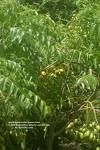
2) Neem has proved to be beneficial in skin disorders such as warts, scabies, psoriasis, eczema, and even dandruff. It is extremely effective in acne treatment. propeties. If Neem leaves are crushed and applied as a paste to the face affected by acne, an immediate improvement is seen within a matter of minutes.

Neem counteracts the excess sugar contents in the body which are the cause of most of the skin disorders. Ancient medical texts, such as the Sushrita Sanhita, have demonstrated that Neem somehow inhibits the multiplication of viruses by combining with the skin cells. This blockage of virus growth imparts the germicidal and anti allergic properties to Neem.

3) Turmeric has been used for centuries in the oriental cultures as a complete remedy for infections, injuries, boils, accident recovery, etc.

4) Sandalwood is an Indian plant that has an extraordinary fragrance. The bark of the sandalwood tree is extremely smooth and sandalwood paste is applied on the body to impart an extremely smooth, unblemished, and lustrous look to the skin.

It's better to try natural remedies for acne instead of drugs for a couple of reasons. First, natural treatments for acne are usually less expensive then acne drugs. They also have fewer side effects. So it makes sense to try some natural treatments for acne first.

You can stop acne without drugs or over-the-counter products. You can stop the unnecessary scarring acne causes. You can start changing your life today. To find out how you can STOP acne at the root of the problem, instead of just masking the symptoms, click here.

Maintain Good Eye Health with Food

Do you know what to eat to protect and preserve the health of your eyes? Five common foods can go a long way toward keeping your eyes healthy for your entire life.
Ask most people what they think is their most valuable sense, and a majority will say their sense of sight. While the sense of touch is arguably more important, people who have had the sense of sight all their lives can't imagine life without it. That said, these people will likely want to know how to best preserve the health of their eyes. Of course, there are things people can do to keep their eyes safe (such as wearing protective goggles in situations that require them), but how can a person's diet protect and preserve the health of her eyes? How can a person maintain good eye health through his diet? Read more

Friday, January 7, 2011

CANCER KILLER DISCOVERED


CANCER KILLER DISCOVERED

 
This fruit is known as Katu Aatha in  Sri Lanka  -- --Please Circulate
 
 
Guyabano, The Sour sop Fruit   

The Sour Sop or the fruit from the graviola tree is a miraculous natural cancer cell killer
10,000 times stronger than Chemo.

Why are we not aware of this? 
Its because some big corporation want to make back their money spent on
years of research by 
trying to make a synthetic version of it for sale.
So, since you know it now you can help a friend in need by letting
him know or just drink
some sour sop juice yourself as prevention from time to time. 
The taste is not bad after all. It’s completely natural and definitely has
no side effects. 
If you have the space, plant one in your garden.
The other parts of the tree are also useful.
The next time you have a fruit juice, ask for a sour sop.
 
cid:image001.jpg@01CA20AC.B5835FB0
How many people died in vain while this billion-dollar drug maker
concealed the secret of the miraculous Graviola tree? 
This tree is low and is called graviola in Brazil ,
guanabana in Spanish and has the uninspiring name "soursop" in English. 
The fruit is very large and the sub acid sweet white pulp is eaten
out of hand or, more commonly, used to make fruit drinks, sherbets and such.
The principal interest in this plant is because of its strong anti-cancer effects. 
Although it is effective for a number of medical conditions, it is its anti tumor
effect that is of most interest. 
This plant is a proven cancer remedy for cancers of all types.
Besides being a cancer remedy, graviola is a broad spectrum antimicrobial agent
 for both bacterial and fungal infections, 
is effective against internal parasites and worms, lowers high blood pressure
and is used for depression, 
stress and nervous disorders. 

cid:image002.jpg@01CA20AC.B5835FB0
If there ever was a single example that makes it dramatically
clear why the existence
of Health Sciences Institute is so vital to Americans like you,
cid:image003.jpg@01CA20AC.B5835FB0


it's the incredible story behind the Graviola tree.
The truth is stunningly simple: 
Deep within the Amazon
Rainforest grows a tree that could literally revolutionize what you, your doctor, 
and the rest of the world thinks about cancer treatment and chances of survival. 
The future has never looked more promising.

Research shows that with extracts from this miraculous tree it
now may be possible to:* Attack cancer safely and effectively with an all-natural therapy
that does not cause extreme nausea, weight loss and hair loss
* Protect your immune system and avoid deadly infections
* Feel stronger and healthier throughout the course of the treatment
* Boost your energy and improve your outlook on life 

The source o f this information is just as stunning: It comes from
one of America 's largest drug manufacturers, the fruit of over 20
laboratory tests conducted since the 1970's! 
What those tests revealed was nothing short of mind numbing... 
Extracts from the tree were shown to:
* Effectively target and kill malignant cells in 12 types of cancer, including colon, 
breast, prostate, lung and pancreatic cancer..
* The tree compounds proved to be up to 10,000 times stronger in slowing the growth of cancer cells than Adriamycin, 
a commonly used chemotherapeutic drug!
* What's more, unlike chemotherapy, the compound extracted from the Graviola tree selectively hunts
down and kills only cancer cells. 
It does not harm healthy cells! 
The amazing anti-cancer properties of the Graviola tree have been extensively researched-- 
so why haven't you heard anything about it? 
If Graviola extract is as half as promising as it appears to be-- 
why doesn't every single oncologist at every major hospital insist on using it on all his or her patients?
The spine-chilling answer illustrates just how easily our health-- 
and for many, our very lives(!)--are controlled by money and power.
Graviola--the plant that worked too well
One of America 's biggest billion-dollar drug makers began a search for a cancer cure and their research centered on Graviola, 
a legendary healing tree from the Amazon Rainforest.
Various parts of the Graviola tree--including the bark, leaves, roots, fruit and fruit-seeds- -have been used for centuries by medicine men and native Indians in South America to treat heart disease, asthma, liver problems and arthritis. 
Going on very little documented scientific evidence, the company poured money and resources into testing the tree's anti-cancerous properties-- and were shocked by the results. Graviola proved itself to be a cancer-killing dynamo. 
cid:image004.jpg@01CA20AC.B5835FB0
But that's where the Graviola story nearly ended.
The company had one huge problem with the Graviola tree--it's completely natural, and so, under federal law, not patentable. There's no way to make serious profits from it.
It turns out the drug company invested nearly seven years trying to
synthesize two of the Graviola tree's most powerful anti-cancer ingredients. 
If they could isolate and produce man-made clones of what makes the Graviola so potent, 
they'd be able to patent it and make their money back. 
Alas, they hit a brick wall. The original simply could not be replicated. 
There was no way the company could protect its profits--or even make back the millions it poured into research.
As the dream of huge profits evaporated, their testing on Graviola came to a screeching halt. 
Even worse, the company shelved the entire project and chose not to publish the findings of its research!
Luckily, however, there was one scientist from the Graviola research team 
whose conscience wouldn't let him see such atrocity committed. 
Risking his career, he contacted a company that's dedicated to harvesting medical plants from the Amazon Rainforest 
and blew the whistle.
Miracle Unleashed
When researchers at the Health Sciences Institute were alerted to the news of Graviola, 
they began tracking the research done on the cancer-killing tree. 
Evidence of the astounding effectiveness of Graviola--and its shocking cover-up--came in fast and furious....
The National Cancer Institute performed the first scientific research in 1976. 
The results showed that Graviola's "leaves and stems were found effective in attacking and destroying malignant cells." Inexplicably, the results were published in an internal report and never released to the public...
Since 1976, Graviola has proven to be an immensely potent cancer killer in 20 independent laboratory tests, 
yet no double-blind clinical trials-- 
the typical benchmark mainstream doctors and journals use to judge a
treatment's value- -were ever initiated.. 
cid:image005.jpg@01CA20AC.B5835FB0
A study published in the Journal of Natural Products, 
following a recent study conducted at Catholic University of South Korea stated that one chemical in Graviola was found to 
selectively kill colon cancer cells at "10,000 times the potency of (the commonly used chemotherapy drug) Adriamycin.. ."
The most significant part of the Catholic University of South Korea report is that 
Graviola was shown to selectively target the cancer cells, leaving healthy cells untouched. 
Unlike chemotherapy, which indiscriminately targets all actively reproducing cells (such as stomach and hair cells), 
causing the often devastating side effects of nausea and hair loss in cancer patients.

A study at Purdue University recently found that leaves from the Graviola tree killed cancer cells among six human cell lines and were especially effective against prostate, pancreatic and lung cancers... 
Seven years of silence broken--it's finally here!

A limited supply of Graviola extract, grown and harvested by indigenous people in Brazil , is finally available in America .

The full Graviola Story--including where you can get it and how to use it--is included in Beyond Chemotherapy: 
New Cancer Killers, Safe as Mother's Milk, 
a Health Sciences Institute FREE special bonus report on natural substances 
that will effectively revolutionize the fight against cancer..
cid:image006.jpg@01CA20AC.B5835FB0
From breakthrough cancer and heart research and revolutionary Amazon Rainforest 
herbology to world-leading anti-aging research and nutritional medicine, 
every monthly Health Sciences Institute Member's Alert puts in your hands today cures the rest of America --including your own doctor(!)--is likely to find out only ten years from now.
 

Related Posts Plugin for WordPress, Blogger...
